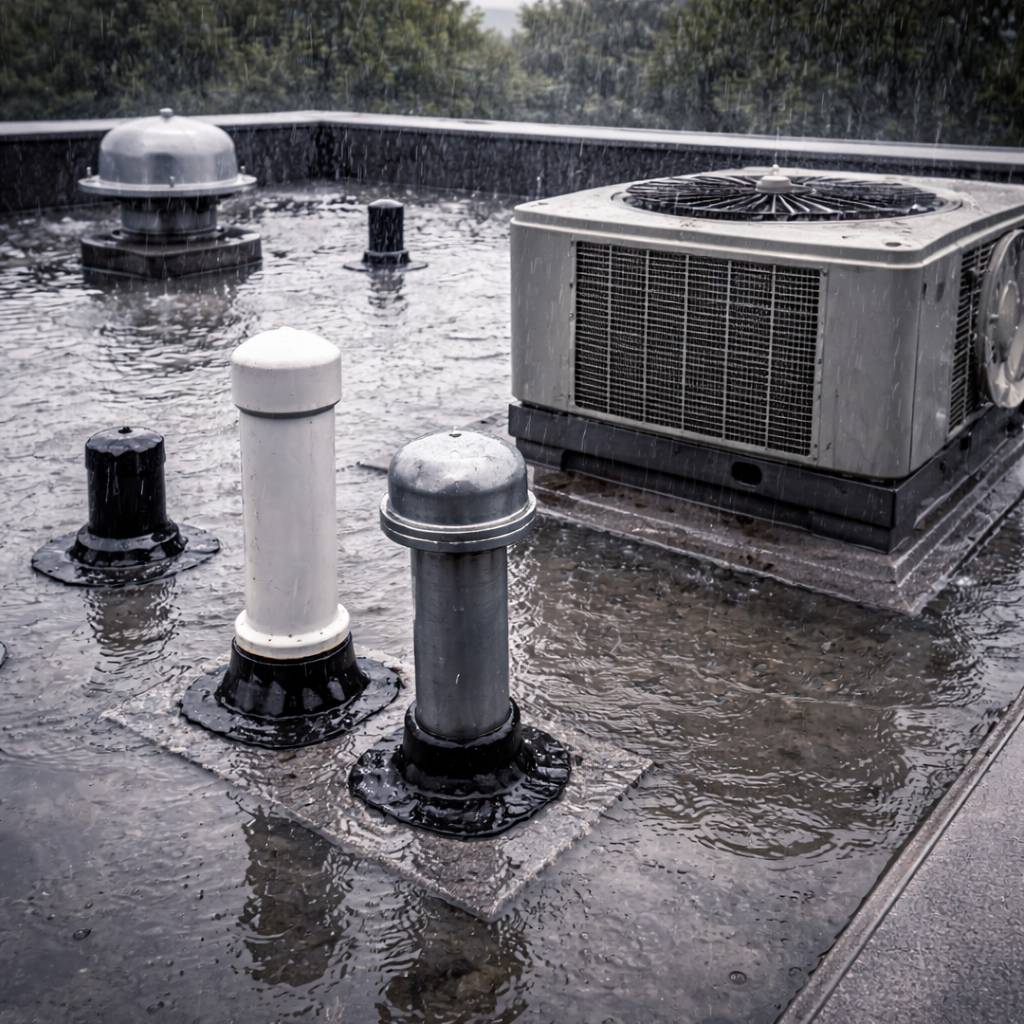
Roof coatings are the primary flat roof waterproofing system JosephMill installs on residential flat roof sections throughout Denham Springs and Livingston Parish. A roof coating is applied as a continuous liquid that cures to a seamless, fully adhered protective surface across the entire deck, eliminating the lap seams, joints, and termination points that are the primary failure locations on mechanically installed roofing systems.
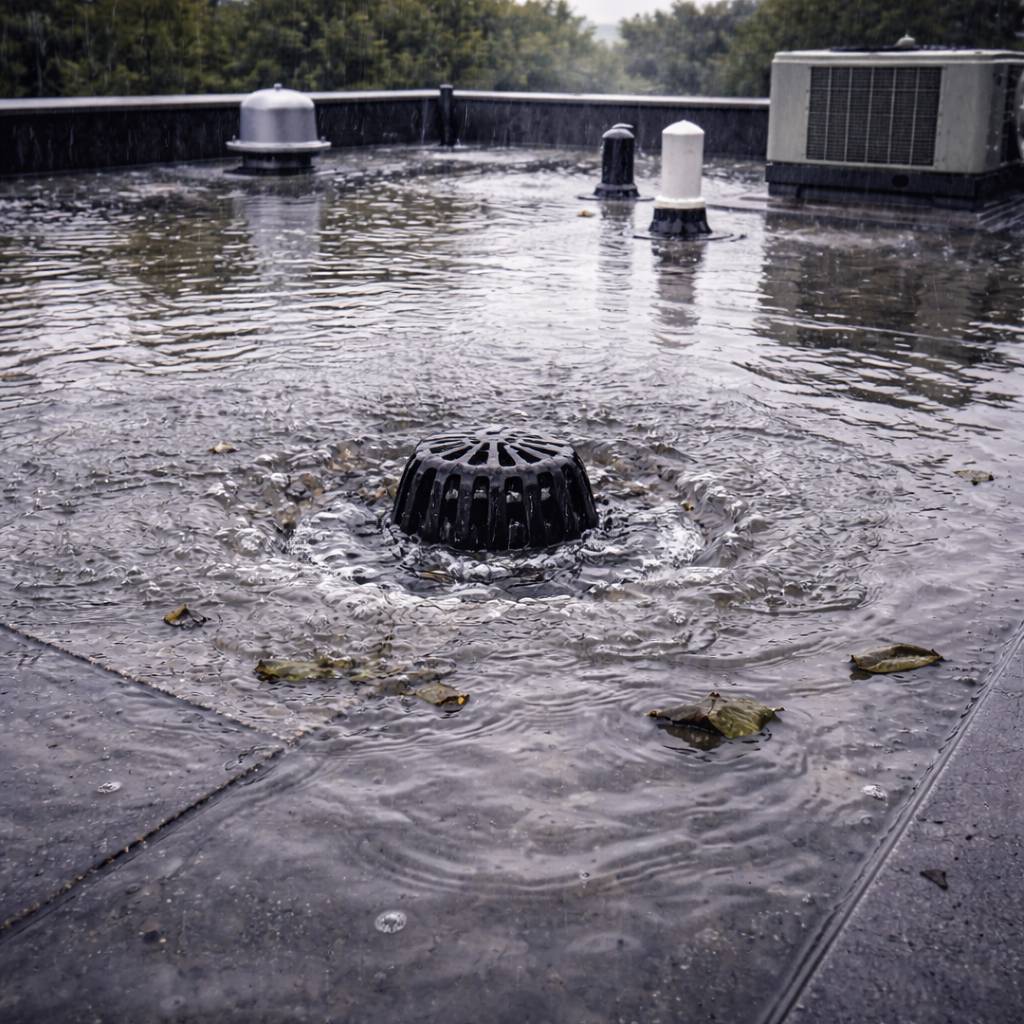
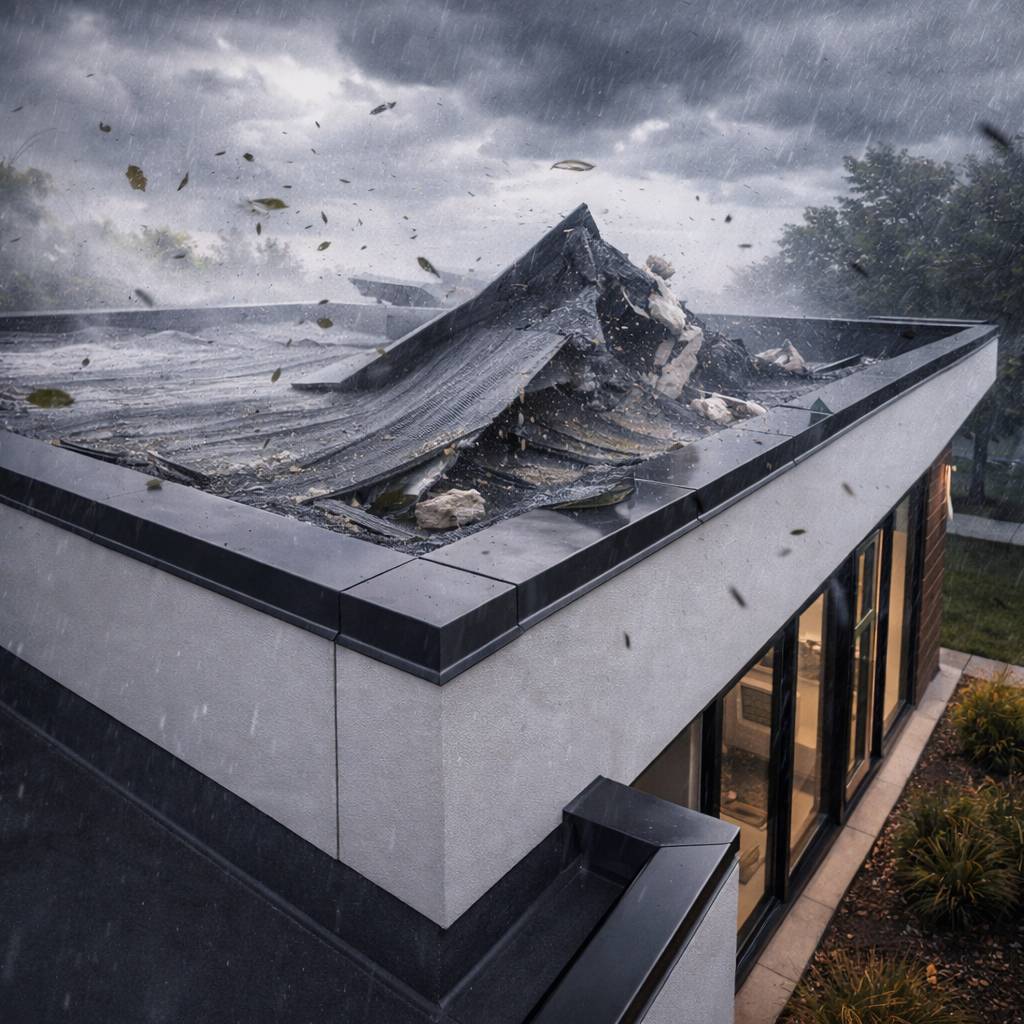
The seamless application of a roof coating means there are no laps to delaminate under Louisiana’s thermal cycling, no seam lines to separate under wind uplift, and no mechanically fastened edges to lift during a hurricane wind event. The coating bonds directly to the deck substrate and conforms to the deck geometry, including low spots, drainage saddles, and penetration bases, in a way that pre-formed systems cannot match.
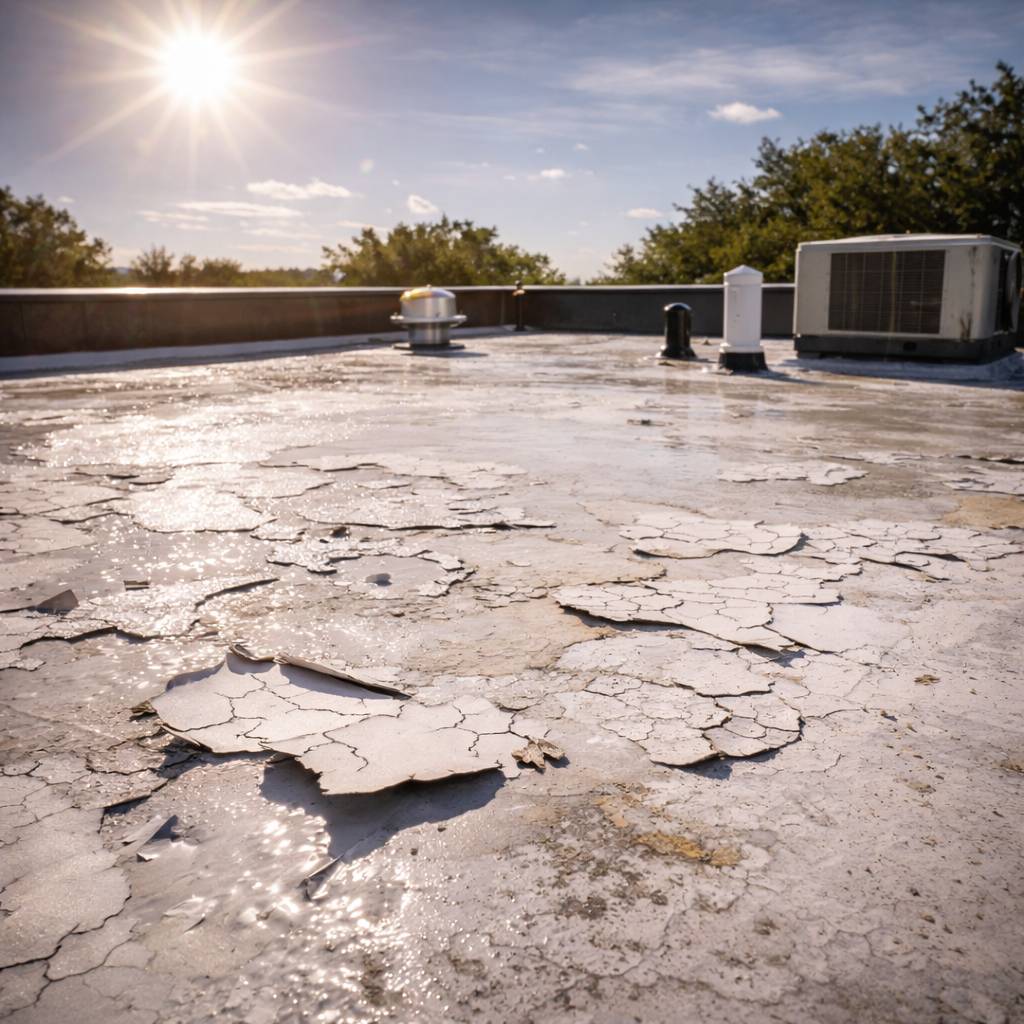
Reflective roof coatings provide a meaningful performance advantage on Louisiana flat roofs by reducing surface temperature significantly compared to uncoated or dark-surfaced roof decks. A white or light-colored reflective coating on a Denham Springs flat roof can reduce surface temperatures from the 170 degree range to substantially lower levels, reducing the thermal cycling stress on the coating itself and on every flashing and penetration seal beneath it, and extending the system’s effective service life in Louisiana’s climate.
Roof coatings are also the most practical restoration option for a Denham Springs flat roof that has reached the end of its original surface life but retains a structurally sound and moisture-free deck substrate. A correctly applied coating restoration extends the service life of the existing deck assembly without the cost and disruption of full tear-off and replacement, provided the substrate condition warrants restoration rather than replacement.