
Hiring a roofer in Denham Springs comes down to three things you must verify before you sign: a valid Louisiana state license, proof of both general liability and workers’ compensation insurance, and a real, rooted local presence you can hold accountable later. Confirm those three, get everything in writing, and you’ve eliminated the vast majority of roofing risk in this state.
Get it wrong, and you’re looking at leaks, voided warranties, and contractors who vanish after cashing your check. Louisiana has no shortage of roofing companies, especially after storm season rolls through Livingston Parish. That surge in demand is exactly when fly-by-night operators flood the area, targeting homeowners who need repairs fast and aren’t sure what to look for. Below is exactly what to check, every single time, and why each one matters.
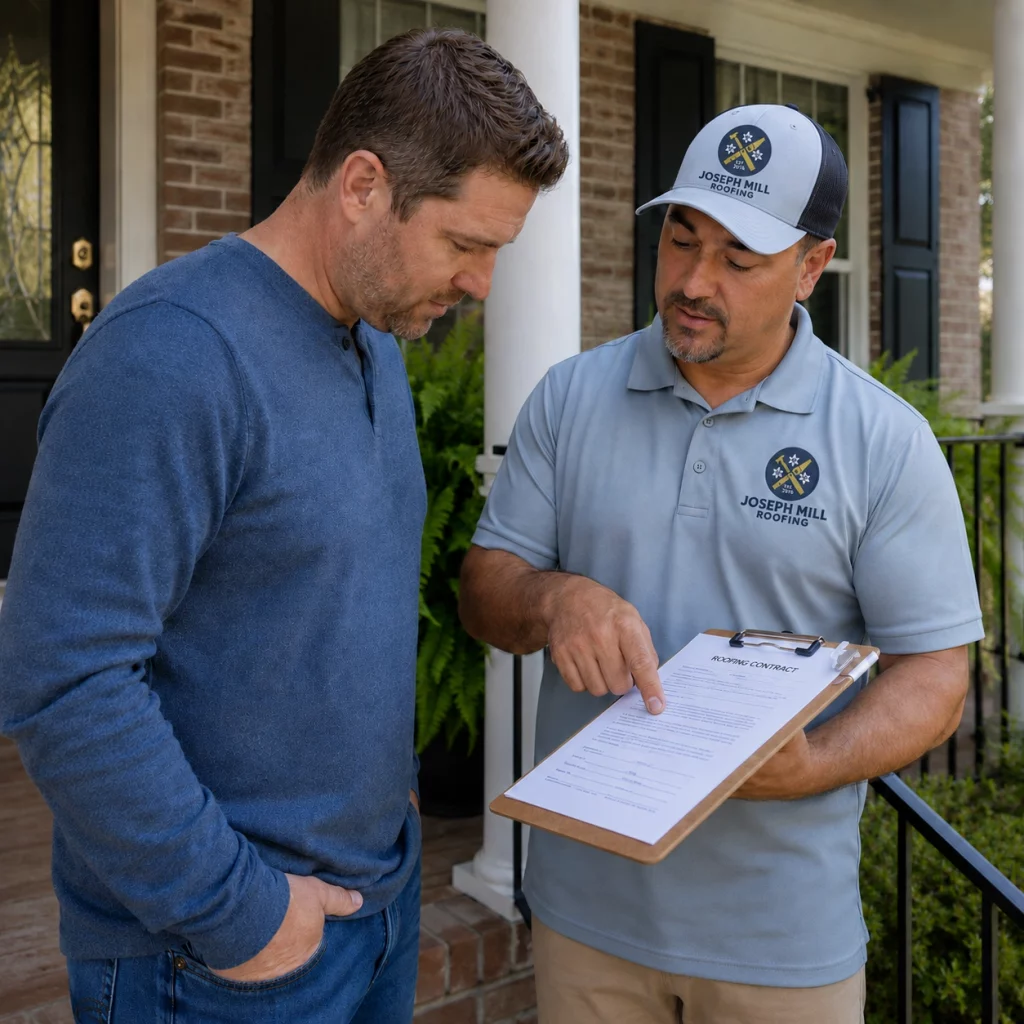
Louisiana requires residential roofing contractors to hold a valid state license issued by the Louisiana State Licensing Board for Contractors. Before you agree to anything, ask for the contractor’s license number and look it up yourself at the LSLBC website. It takes about two minutes and tells you immediately whether the company is legitimate.
Beyond the license, you need to verify two types of insurance:
Request certificates of insurance directly from the insurer, not just a copy the contractor hands you. A certificate can be faked; a direct confirmation cannot.
JosephMill is a licensed, BBB-accredited roofing contractor based in Denham Springs, holding Louisiana Residential License RL.886986, credentials that hold up under exactly this level of scrutiny. You can verify the license yourself on the LSLBC website and read the full background on the About page.
A handshake deal or a vague one-page estimate is not a contract. Before you sign anything, the written agreement should spell out the following clearly:
JosephMill works from a documented process that runs from first inspection through final cleanup, which means nothing is left to verbal assumption. That transparency protects both the homeowner and the contractor.
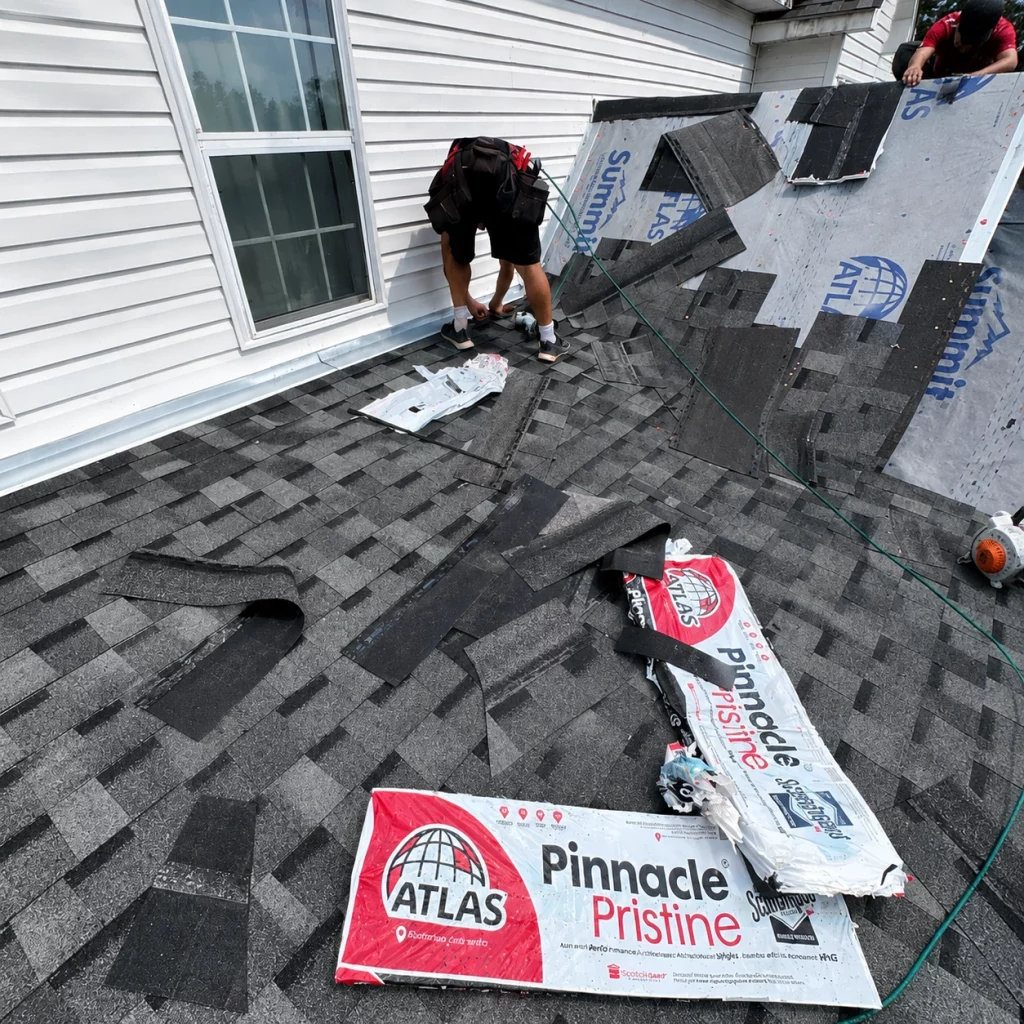
Knowing what a legitimate contractor looks like also means knowing what the opposite looks like. Watch out for:
The contrast between how a family-owned, community-rooted contractor operates versus the transactional approach of a storm chaser becomes clear the moment you look at documented, real local work rather than promises.
A contractor with a real, rooted presence in Denham Springs has something to protect: their reputation in the community. They’re not disappearing to the next storm-hit city after the job wraps. When something goes wrong six months later, a local company is still reachable.
JosephMill is headquartered in Denham Springs, Louisiana, with deep roots in Livingston Parish and the surrounding Baton Rouge area, a genuine local presence rather than a pop-up operation. You can reach the Denham Springs office directly at (225) 500-1444.
The company is also third-generation and family-owned, which matters in a practical sense: family-owned contractors typically carry more personal accountability because their name is literally on the work. When a business is built on generations of relationships in one community, cutting corners isn’t just bad business, it’s personal.
For homeowners weighing material upgrades, JosephMill installs both asphalt shingle and metal roofing for residential properties, with metal increasingly popular for its longevity and storm resistance in Louisiana’s climate.
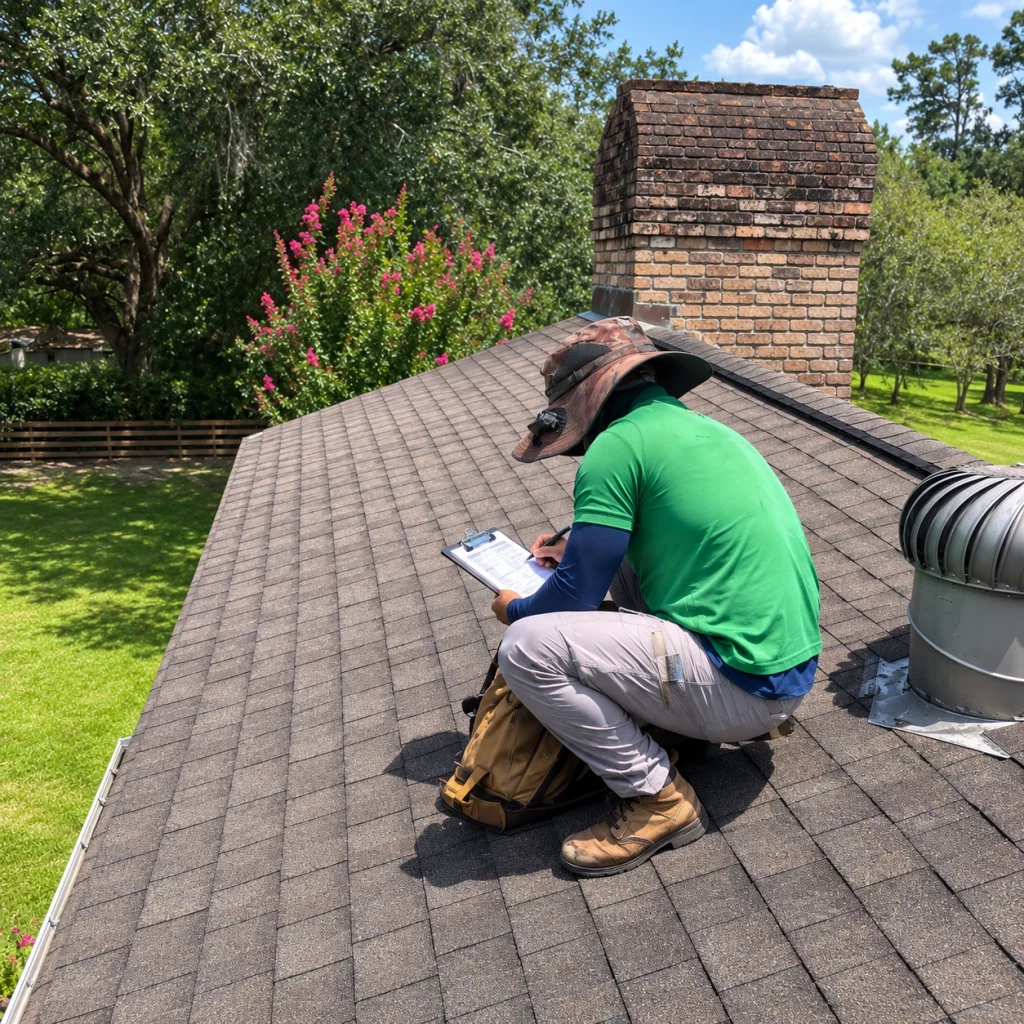
Before any contract gets signed, the right starting point is a professional inspection from a contractor you’ve already verified. Take thirty minutes to check the license, review the insurance certificates, and look at completed jobs from real local clients.
When you’re ready to move forward, contact us through the JosephMill website or call the Denham Springs office at (225) 500-1444 to schedule your inspection.
Yes. Residential roofing contractors in Louisiana must hold a license from the Louisiana State Licensing Board for Contractors. You can verify any contractor’s license status for free on the LSLBC website, always confirm before signing any agreement or paying a deposit.
A reasonable upfront deposit is typically between 10% and 30% of the total project cost. Paying more than 40% before work begins is a significant red flag. Never pay the full amount until the job is complete and you’ve done a walkthrough inspection.
Metal roofing and high-grade asphalt shingles rated for wind resistance perform best in Louisiana’s humid, storm-prone conditions. Atlas Roofing products offer strong manufacturer warranties and suit the demands of Livingston Parish weather. Ask your contractor specifically about wind and impact ratings.
Search the company name on the Better Business Bureau website at bbb.org and check both accreditation status and complaint history. Accreditation requires meeting BBB standards for trustworthiness and responsiveness.
Do not sign anything on the spot, no matter how urgent the pitch feels. Take their information, then independently verify their license, insurance, and local reviews before calling back. Giving yourself 24–48 hours to research almost always leads to a better decision.
Verifying credentials, reading the contract carefully, and choosing a contractor with a real local presence are the three things that separate a smart roofing hire from a costly mistake. Louisiana homeowners deal with enough uncertainty from the weather without adding contractor risk on top of it.
Do the homework upfront, ask for everything in writing, and work with a company whose track record you can actually check. That’s the approach that protects both your home and your investment for years to come.