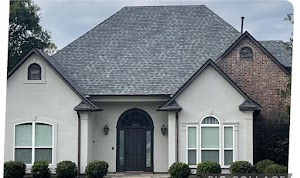
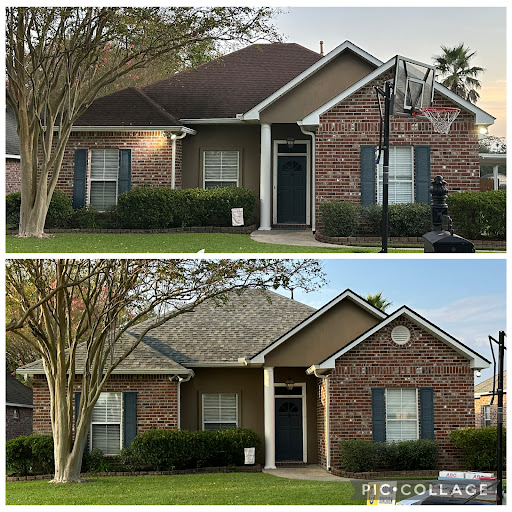
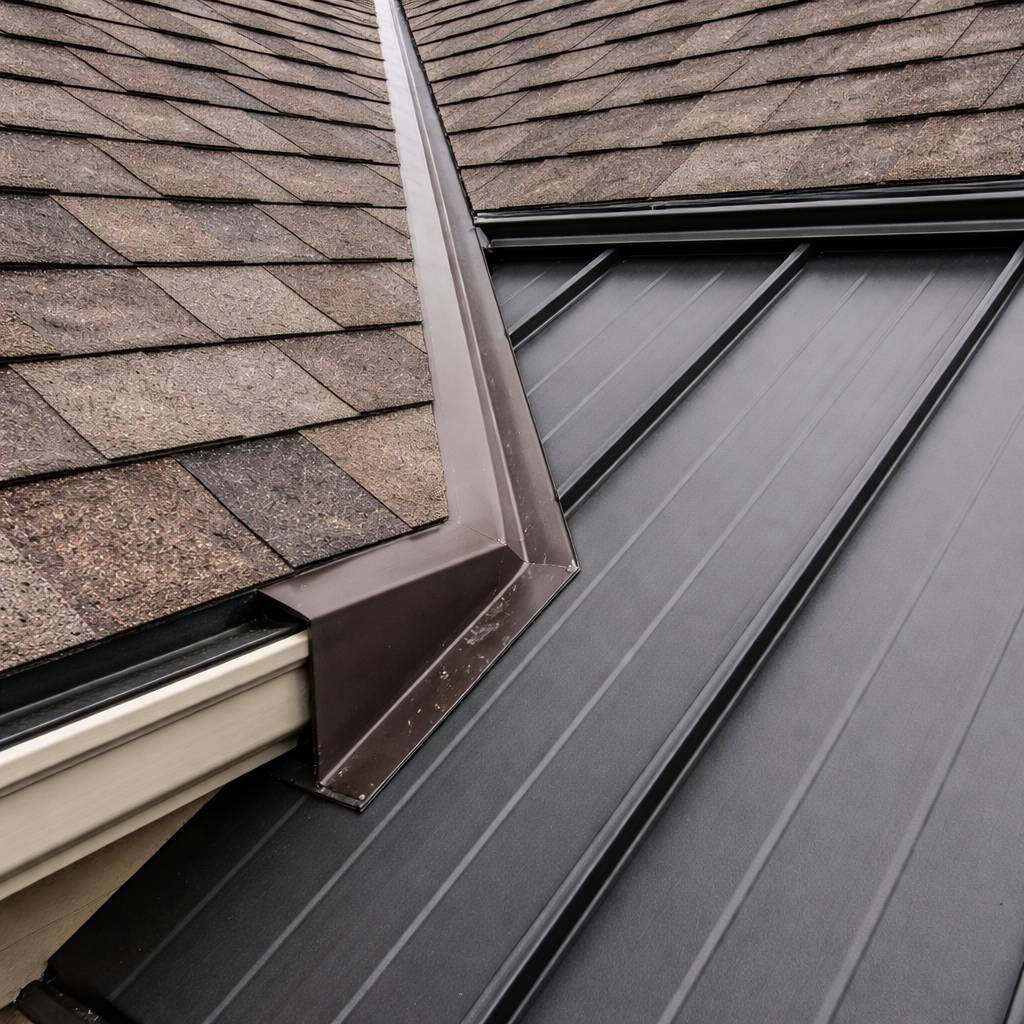
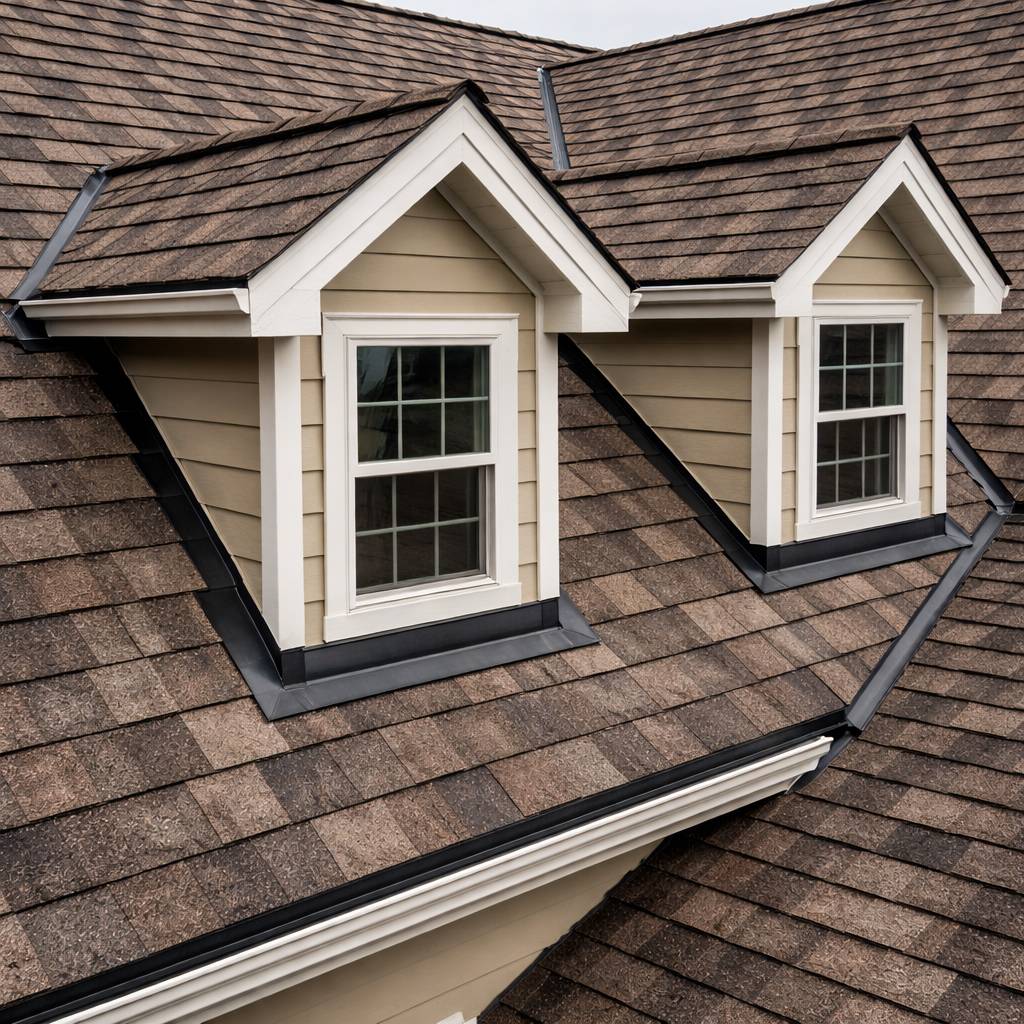
A combination roof is any residential roof that incorporates two or more distinct roof styles, pitches, or material systems on the same structure. In Denham Springs and throughout Livingston Parish this appears most commonly as a gable section meeting a hip section on a complex floor plan, a steep-sloped main roof transitioning to a low-slope or flat addition roof at a rear or side extension, a hip roof over the main structure with a shed dormer or gable projection breaking through one of the hip slopes, or a primary asphalt shingle roof with a metal roof section over a covered porch or breezeway.
The combination roof is not a single defined style the way a gable or hip roof is. It is a descriptor for any residential roof assembly where the builder or architect combined styles to suit the floor plan, the architectural character of the home, or the practical requirements of additions and extensions that were added to the structure over time. In Livingston Parish’s housing stock this means combination roofs appear on a wide range of homes, from custom-built contemporary designs that deliberately integrate multiple roof forms for architectural interest, to older homes where a shed addition or covered porch created a low-slope transition section off the back of an otherwise conventional pitched roof.
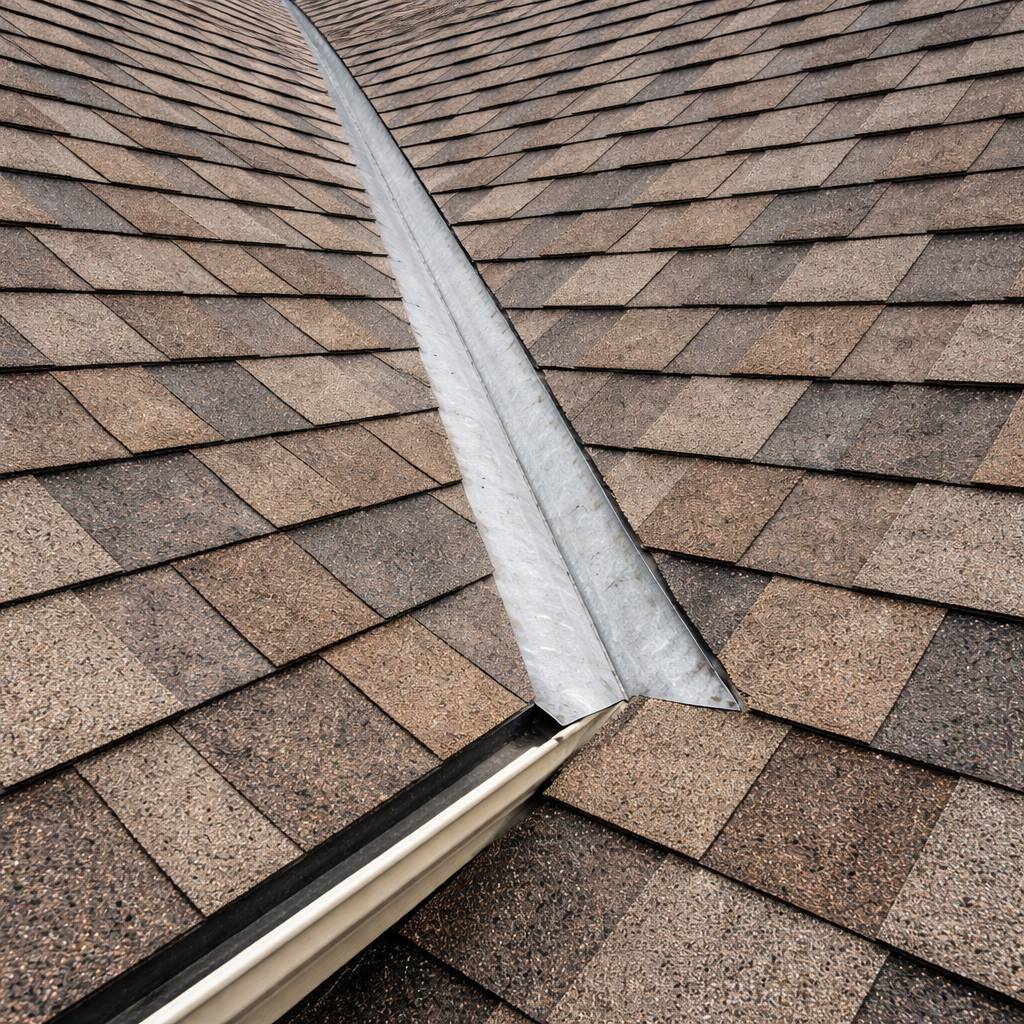
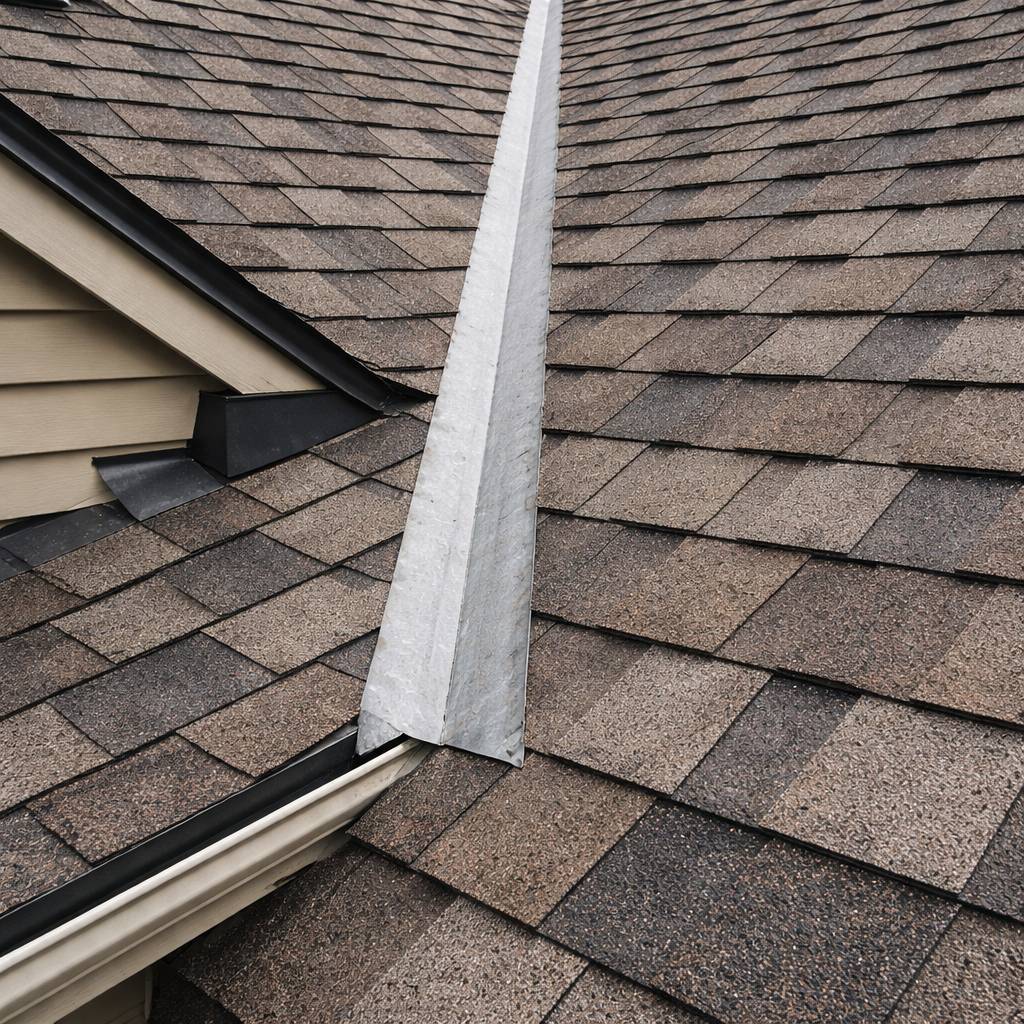
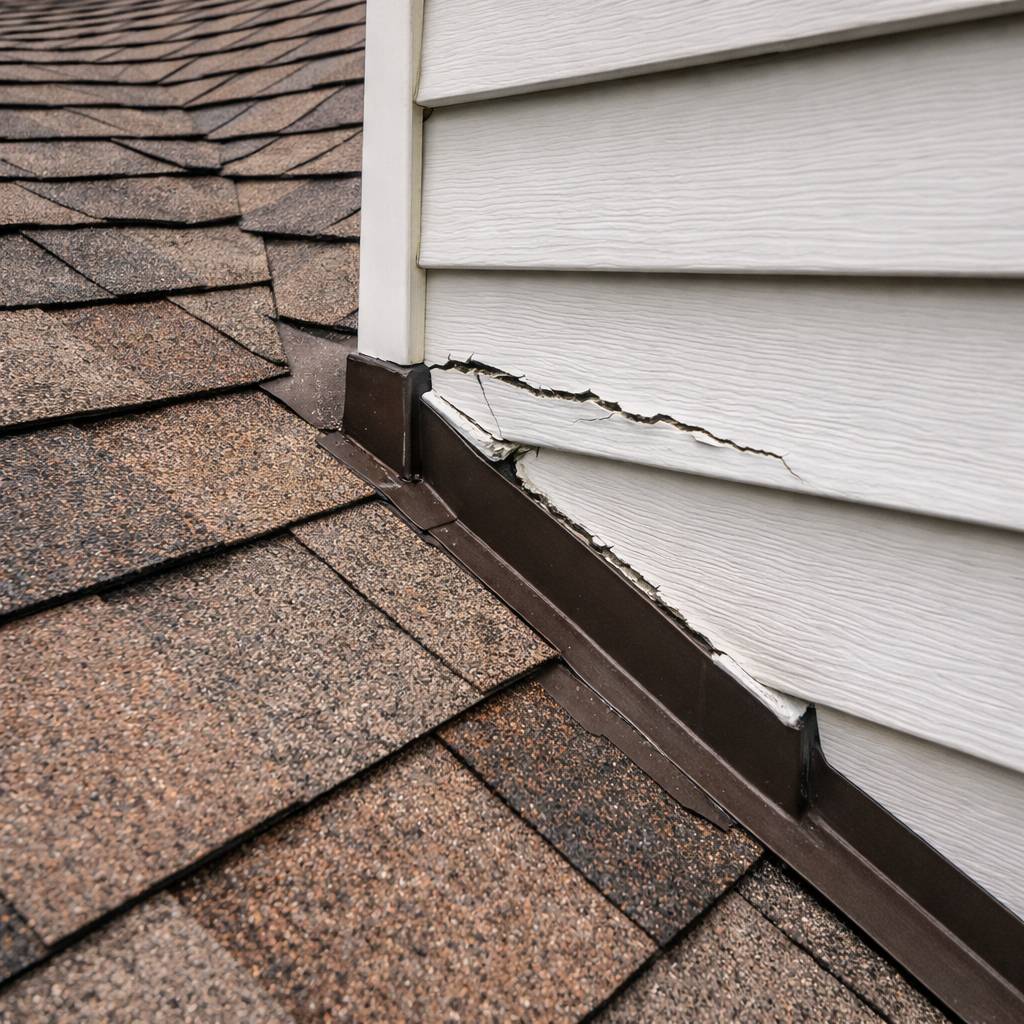
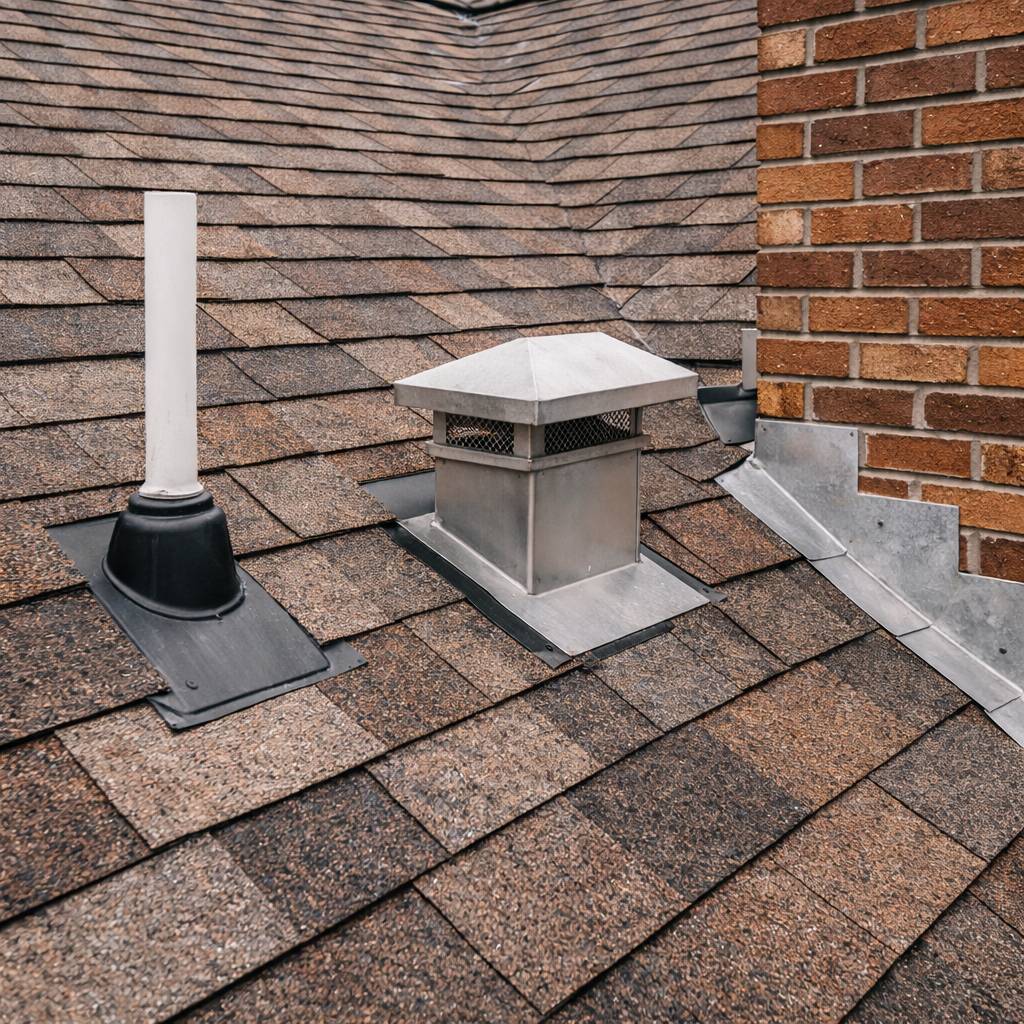
What every combination roof shares, regardless of which specific styles are combined, is a set of transition intersections where the two systems meet. These intersections are the defining technical challenge of the combination roof and the locations where the vast majority of combination roof failures in Denham Springs originate. A gable main roof and a hip addition section meeting at a valley intersection, a sloped shingle roof transitioning to a flat coating system at an addition wall, a metal porch roof tying into a shingle main roof at a step flashing line. Each of these intersections requires a specific, correctly detailed flashing assembly that handles the water from both roof sections simultaneously and directs it away from the building without penetration.
In Louisiana’s climate, where rainfall intensity, hurricane wind events, and thermal cycling impose sustained stress on every exterior building detail, a combination roof intersection that is correctly installed performs reliably for decades. One that is incorrectly detailed, inadequately flashed, or improperly integrated between dissimilar materials becomes the point of failure that produces recurring leaks, substrate damage, and eventually interior water damage regardless of the condition of the individual roof sections on either side of it.