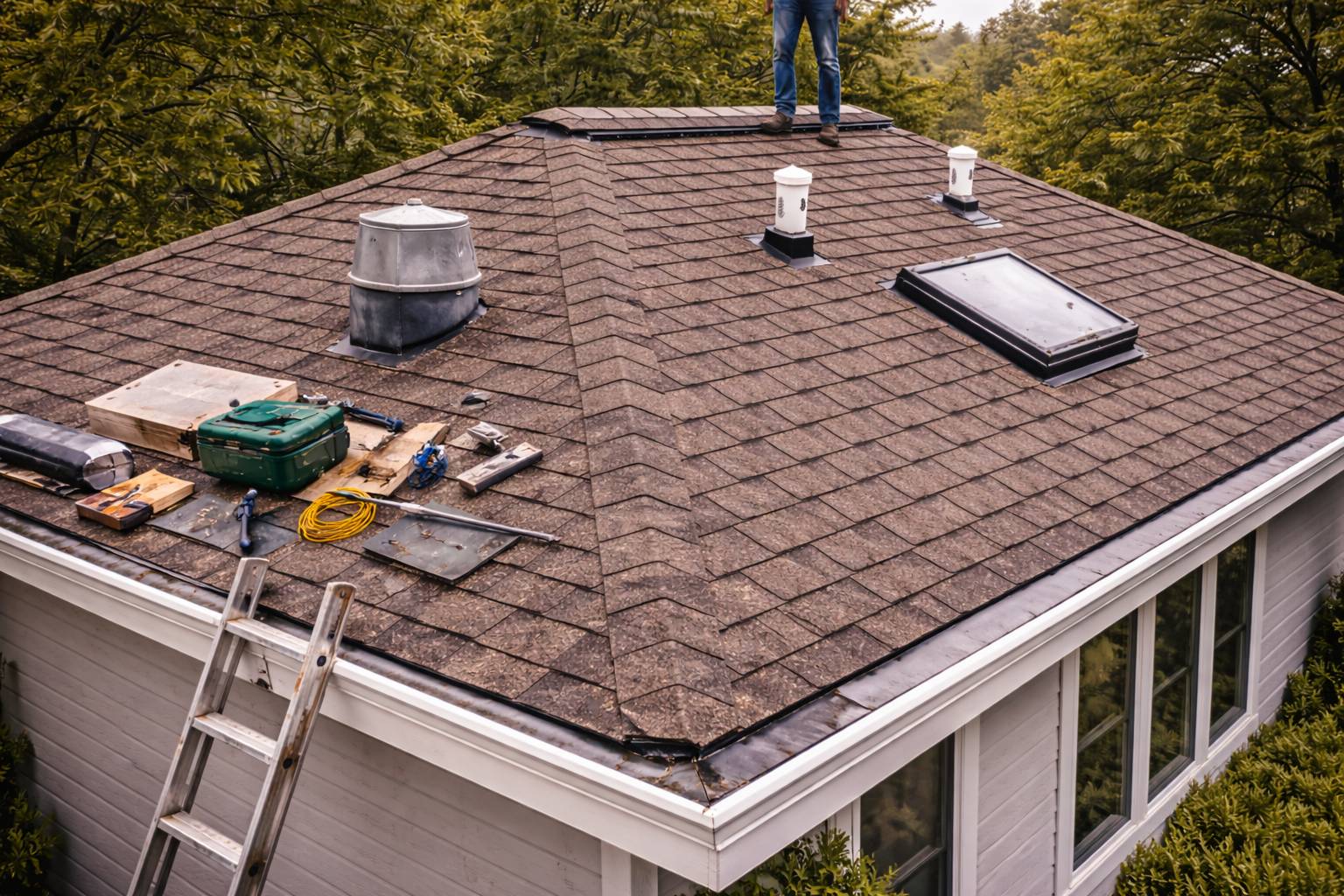
Hip Roof Repair and Replacement in Denham Springs, Louisiana

The hip roof is the most wind-resistant residential roof style available to Denham Springs homeowners, but only when it is installed correctly. JosephMill provides licensed hip roof repair, replacement, and storm damage restoration with a process built around the specific installation details and failure points that determine how a hip roof actually performs in Louisiana’s storm environment.

Get In Touch

The Hip Roof, Louisiana's Most Wind Resistant Residential Roof Design

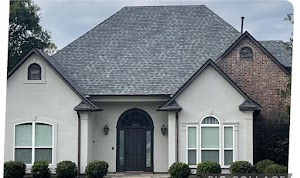
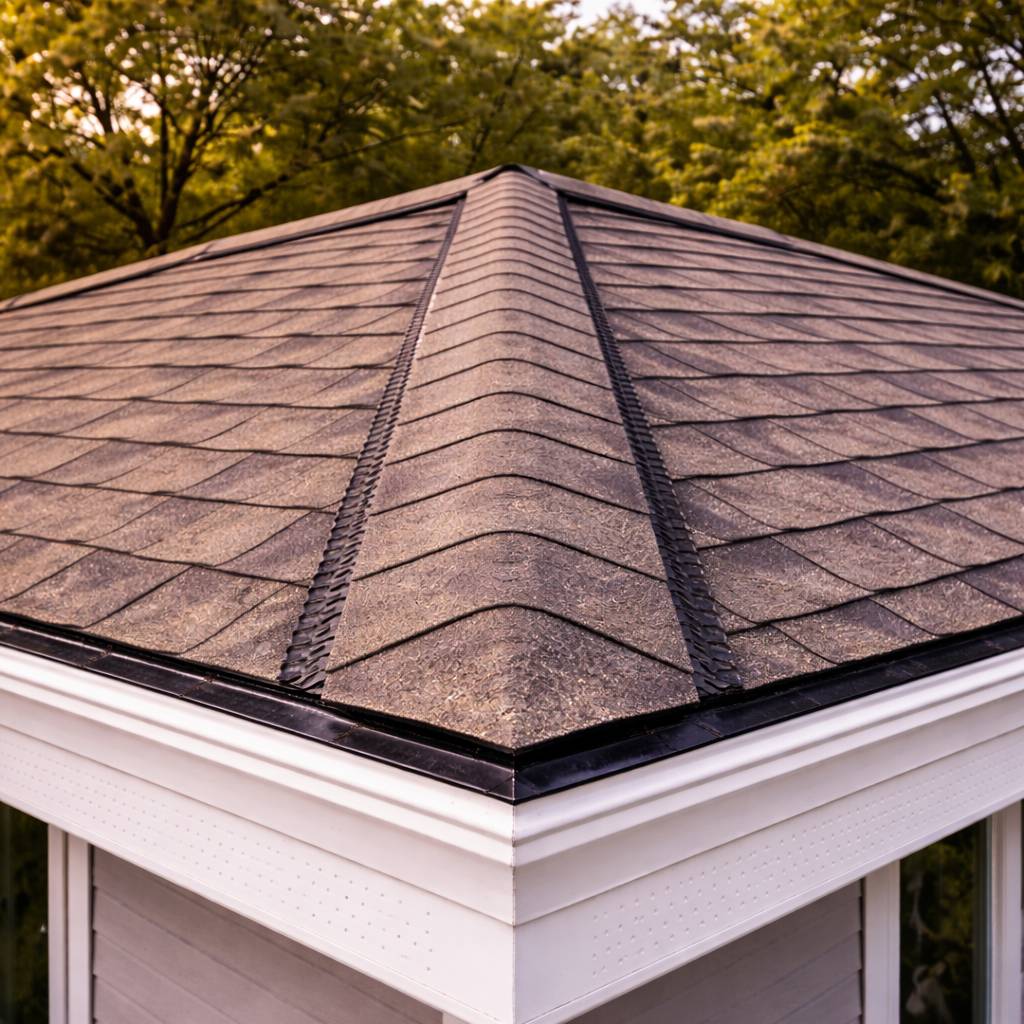
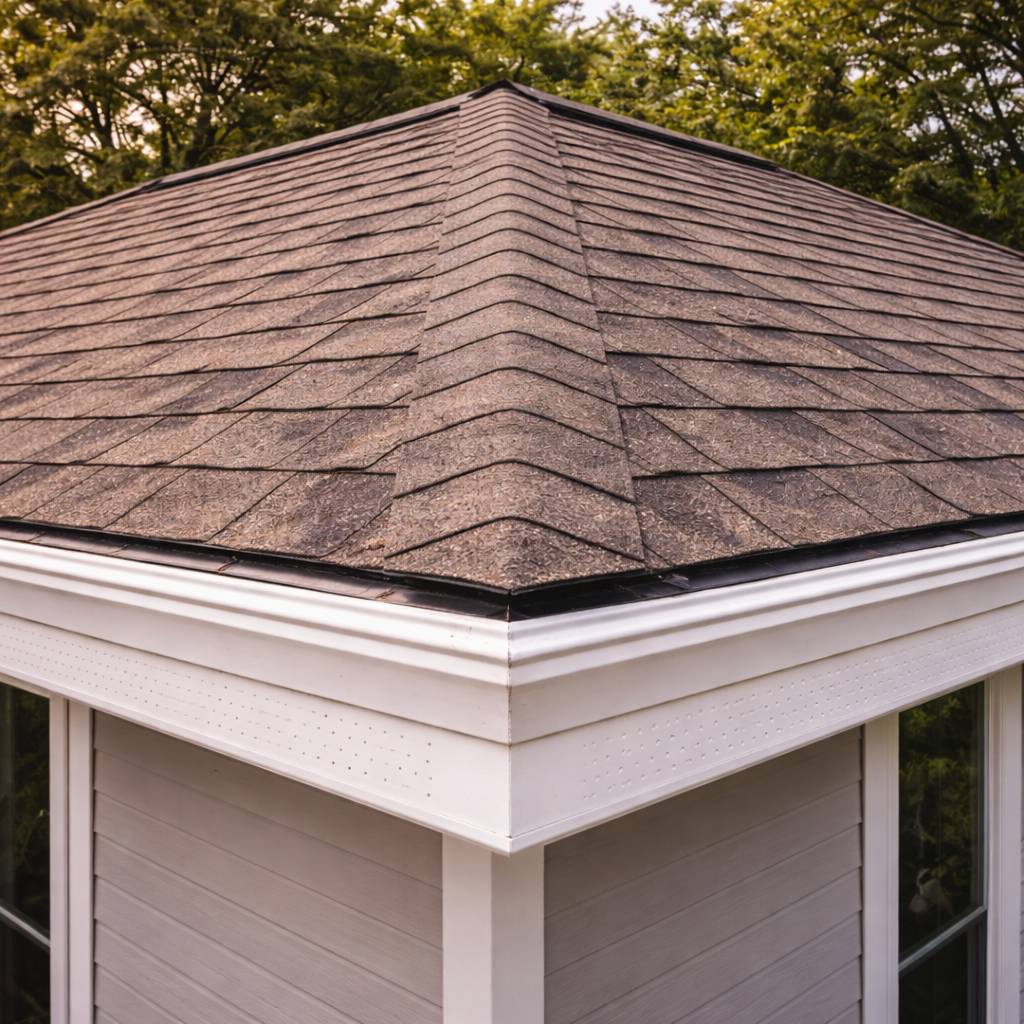
A hip roof has four sloping sides, all four sides angle downward from a central ridge or peak to the eave line, with no vertical end walls. Unlike a gable roof, which terminates in exposed triangular end walls at each end of the structure, a hip roof presents a sloped surface to wind from every direction simultaneously. There are no flat vertical faces for wind pressure to act against directly. Every surface sheds wind load by deflecting it upward and over the roof rather than absorbing it head on.

This geometry is why hip roofs are the preferred residential roof style in hurricane exposed markets and why newer construction throughout Livingston Parish and the greater Baton Rouge area increasingly specifies hip roof designs over traditional gable roofs. In Louisiana’s storm environment the aerodynamic advantage of a hip roof over a gable roof is not a marginal difference. It is a structural performance distinction that affects how a home survives a direct wind event.

But the hip roof’s wind resistance advantage is entirely dependent on installation quality. A hip roof with improperly installed valleys, poorly executed hip cap lines, or inadequate fastening at the multiple intersection points its geometry creates does not deliver the wind resistance its design promises. The complexity that makes a hip roof a superior performer also makes it a roof style where installation errors have consequences that a simpler gable roof would not.

JosephMill has installed and repaired hip roofs throughout Denham Springs and Livingston Parish. Every installation detail we apply to a Denham Springs hip roof is driven by what Louisiana’s storm conditions actually test.

The Specific Vulnerabilities of a Hip Roof in Louisiana's Climate

The hip roof’s aerodynamic advantage over a gable roof is real and significant. But it does not make a hip roof immune to damage in Louisiana’s storm environment. The hip roof’s vulnerability points are different from a gable roof’s, and understanding them specifically is what separates a hip roof inspection that captures everything from one that misses the details that matter most.

Hip Valleys, The Highest-Priority Waterproofing Challenge on a Hip Roof

Hip Valleys, The Highest-Priority Waterproofing Challenge on a Hip Roof

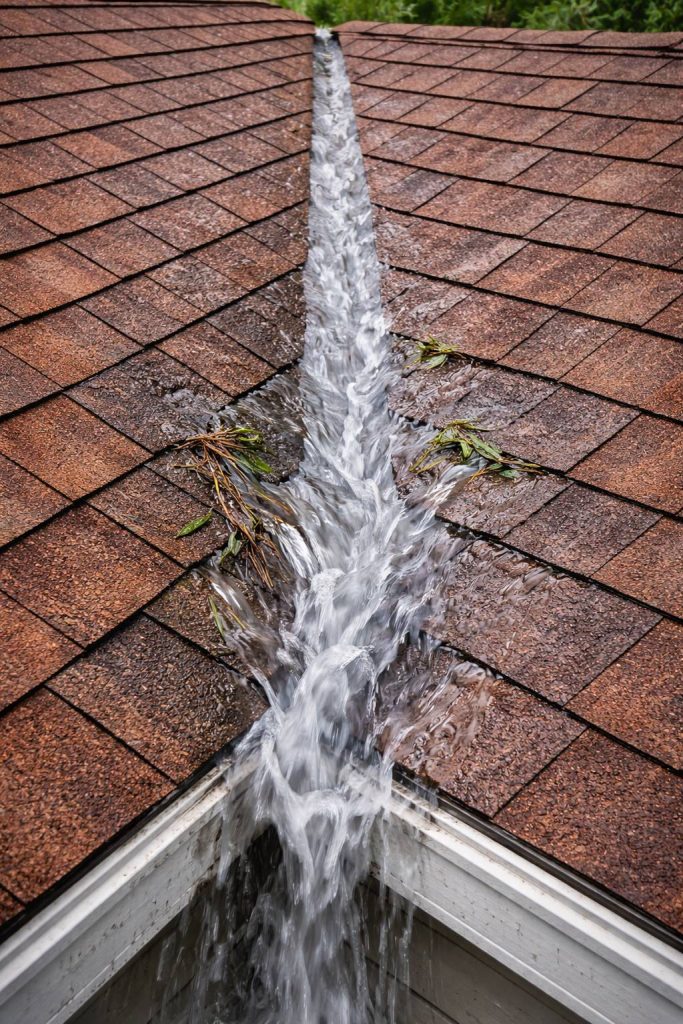
A hip roof has more valleys than a gable roof of comparable footprint. Each valley is an internal angle where two sloping roof sections meet, and every valley concentrates the water drainage from both adjacent slopes into a single channel that carries that combined volume toward the eave.

In Louisiana’s rainfall environment, where storm events deliver high-intensity precipitation over short time periods, hip roof valleys carry significant water loads during weather events. Valley metal that has corroded, valley underlayment that has failed, or open valley shingles that have worn through at the center line all create active leak paths that are disproportionately damaging given how much water they carry.

The hip roof geometry creates valleys that run at more complex angles than the simple straight valleys of a gable roof. These hip valley lines run diagonally from the peak area down to the corner of the eave, and the flashing and underlayment details at these diagonal valley runs must be executed correctly for the valley to remain watertight under Louisiana rainfall intensity.

JosephMill inspects every valley on every hip roof we service in Denham Springs, including the diagonal hip valley runs from ridge to corner eave that are unique to this roof style. We treat every valley as a high-priority waterproofing element regardless of whether the reported problem is near the valley itself.


Hip Cap Lines, Where Wind Damage Accumulates on a Hip Roof

Hip Cap Lines, Where Wind Damage Accumulates on a Hip Roof

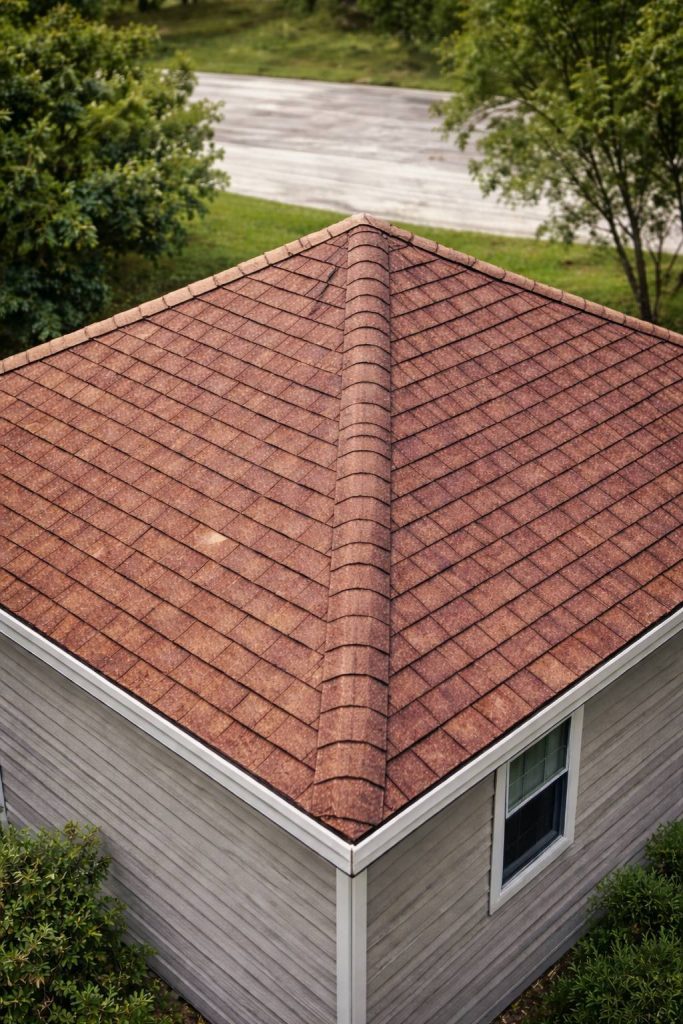
The hip cap is the row of capping shingles installed along every hip line, the external angle where two adjacent sloping roof surfaces meet at the corners of the structure. On a hip roof there are four hip lines running from the central ridge or peak down to each corner of the eave. Each hip cap line is an elevated, exposed installation that takes direct wind impact from multiple directions simultaneously.

Hip cap shingle loss after wind events is one of the most common storm damage items we document on Livingston Parish hip roofs. Hip cap shingles that have lost sealant adhesion lift at the edges during wind events, allowing wind-driven rain access to the hip line and the underlying decking. Hip cap shingles that crack under hail impact create open water entry points at the hip line intersection. A hip roof with failed hip cap lines along all four corners is structurally exposed at its most geometrically complex points, the exact locations where correct installation matters most.

Every JosephMill hip roof inspection in Denham Springs includes individual assessment of every hip cap shingle on all four hip lines. These are not areas we check once and move on, they are the first areas we document thoroughly on any storm damage assessment.

The Ridge, Short But Critical on a Hip Roof

The Ridge, Short But Critical on a Hip Roof

A hip roof’s ridge is shorter than a gable roof’s ridge of comparable size because the hip geometry uses hip lines to terminate the slope rather than running the ridge the full length of the structure. But despite its shorter length, the ridge cap on a hip roof carries the same vulnerability as on any other roof style, direct exposure to wind from every direction, hail impact from above, and the constant thermal cycling of Louisiana’s heat extremes.

On a hip roof the ridge intersects with all four hip lines. The junction where each hip cap line meets the ridge cap is a geometric complexity point that requires specific attention during installation and inspection. Incorrect flashing or sealant application at these junctions creates water entry points at the highest, most exposed area of the entire roof system.

Eave Perimeter, All Four Sides Exposed

Eave Perimeter, All Four Sides Exposed

A gable roof has two eave lines. A hip roof has four, one along each side of the structure’s perimeter. Every eave line requires correct drip edge installation, starter strip application with properly positioned sealant, and underlayment coverage that protects the decking at the eave edge.

On a hip roof all four eave lines must be detailed correctly. The two eave lines that run parallel to the ridge are identical in function to gable roof eaves. The two eave lines at the hip corners, where the diagonal hip lines descend to meet the eave, require special attention because the geometry changes at the corner point. The starter strip, drip edge, and first course of field shingles all have to transition correctly at the hip corner where the two adjacent eave lines meet. This transition point is a location where installation errors concentrate on hip roofs and where eave-level wind uplift failures originate.

Ventilation on a Hip Roof, A Different Challenge Than Gable Designs

Ventilation on a Hip Roof, A Different Challenge Than Gable Designs

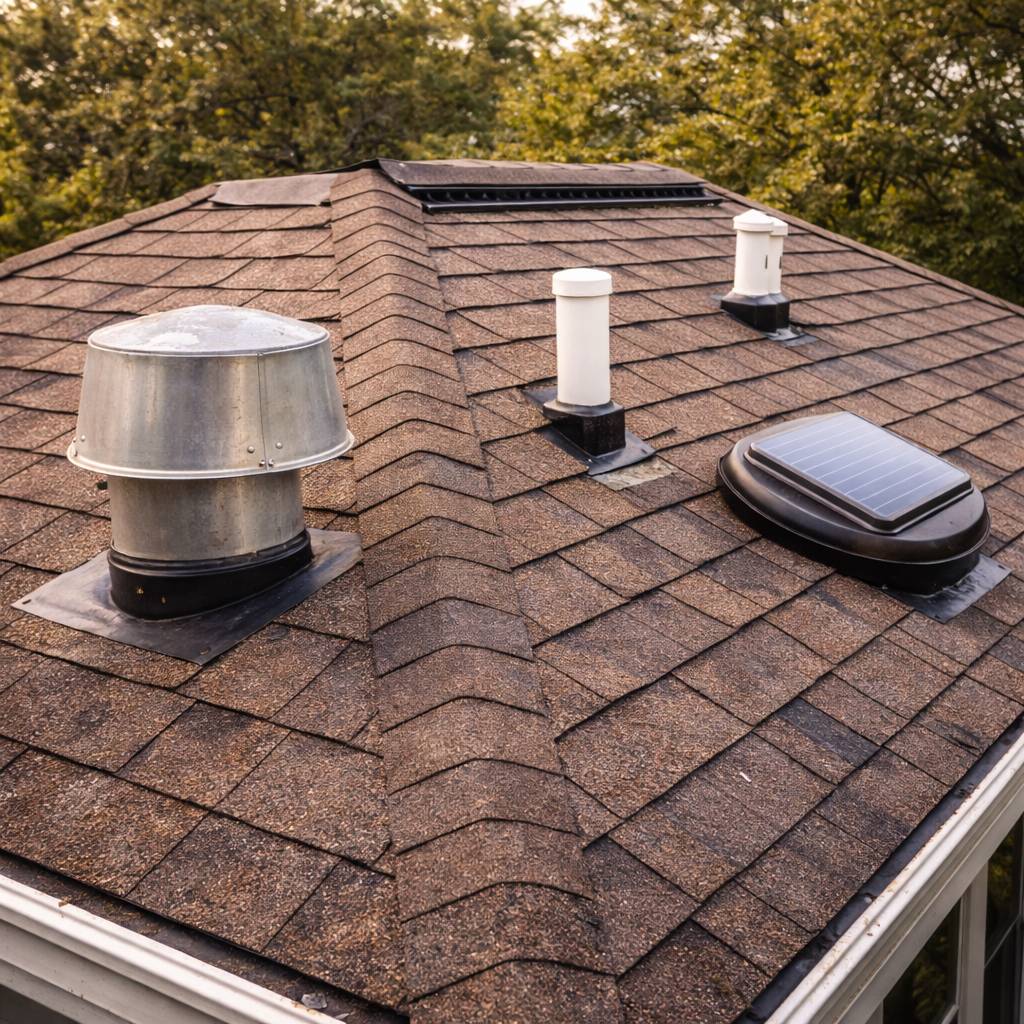
Hip roofs present a specific ventilation challenge that gable roofs do not. On a gable roof the full ridge line runs the length of the structure, providing a long continuous exhaust path. On a hip roof the shorter ridge means less continuous ridge vent exhaust capacity relative to the attic floor area below.

Achieving balanced ventilation on a Denham Springs hip roof requires careful calculation of the ratio between soffit intake area and ridge exhaust area. A hip roof with undersized ridge vent capacity relative to soffit intake creates positive pressure in the attic that can actually work against proper airflow. Combined with Louisiana’s extreme summer heat loads, this creates heat and moisture accumulation conditions identical to those on a poorly ventilated gable roof, decking degradation from the inside out, accelerated shingle aging, and eventual structural moisture damage that is not visible from the exterior until significant damage has already occurred.

We assess ventilation balance specifically on hip roof designs during every inspection in Denham Springs because the ventilation calculation for a hip roof is not the same as for a gable roof, and generic ventilation assessments that do not account for hip geometry miss this distinction.

TESTIMONIALS

What they say about us.

JosephMill, LLC place picture
5.0
Based on 97 reviews
powered by Google
Crystal Marchand profile picture
Crystal Marchand
22:47 06 Nov 25
Justin took great care of us. Our roof looks great!
Becky Evans profile picture
Becky Evans
19:17 27 Oct 25
I had such a great experience with this roofing company! From start to finish, everything was handled smoothly and professionally. Alec Joubert was outstanding — professional, kind, and on top of every detail. He made sure everything was taken care of and kept me informed throughout the whole process. It’s refreshing to work with someone who truly cares about their customers and takes pride in their work. Highly recommend this company and definitely ask for Alec!
Photo from customer review
Sandy Garver profile picture
Sandy Garver
21:07 16 Sep 25
Use this company to get your new roof! Everyone was so very helpful and responsive throughout the entire process, especially Justin and Scott! From start to finish, Scott saw our project through and helped us get insurance to cover our new roof. Scott was very patient with all my questions and concerns, and always found an answer for me if he didn't know it already. Jorge and his crew were amazing as well when it came time to install the new roof. Jorge kept me informed as the day progressed and even went out of his way to fix another issue in my attic that was unrelated to the roof itself, just out of the kindness of his heart! Great company with great employees who treat you like family. You won't regret using them!
Response from the owner 16:43 17 Sep 25
Thank you so much for the incredible feedback! We’re thrilled that Justin, Scott, and Jorge made the entire process smooth and stress-free for you. Scott’s attention to detail and Jorge’s extra effort in your attic show exactly how we aim to treat every homeowner—like family. We appreciate you trusting JosephMill with your home and your new roof. Enjoy the peace of mind that comes with it, and thank you for recommending us!—The JosephMill Team
Brett Varnell profile picture
Brett Varnell
23:19 28 Jul 25
They made the process very easy. Located in Jefferson Terrace. Alec/Drew handled the project and Insurance work. Installation was clean and efficient. Wouldn't hesitate to recommend.
Response from the owner 16:26 30 Jul 25
Appreciate the great review! Alec and Drew always aim to make the process smooth and stress-free. Glad everything went clean and efficient—thanks for trusting us and for the recommendation!
andrea ordoyne profile picture
andrea ordoyne
17:46 27 Jul 25
Awesome to work with! Very professional and did a fantastic job. Also helped us with other things we needed to take care of around our house. Highly recommend!
Response from the owner 16:23 30 Jul 25
Thanks for the 5 stars! Justin takes pride in going above and beyond—glad he knocked it out for you. We appreciate the trust and the kind words!
Kelli Doucet profile picture
Kelli Doucet
18:52 24 Jul 25
Gaige Duplechin was so helpful and took care of everything. Would recommend Joseph Mill roofing everytime!
Response from the owner 19:36 24 Jul 25
Thank you so much, Kelli! We’re glad to hear Gaige took great care of you—he’s a key part of our team and always goes the extra mile. We truly appreciate your recommendation and look forward to helping with any future roofing needs!—The JosephMill Team
Greg Brown profile picture
Greg Brown
15:41 30 Jun 25
Scot Beatty at Joseph Mills was amazing from start to finish. Not only did the tarp on my roof make it through the hurricane he walked me through the nightmare that is home owner’s insurance. Thank you Scot and Joseph Mills!
Response from the owner 14:55 03 Jul 25
We really appreciate the time it takes for you to leave us a review. We also love hearing the testimonies of homeowners who got a win! Thanks for trusting us with your home.
Taylor Landry profile picture
Taylor Landry
13:57 13 Jun 25
Cold Calling everyone in the neighborhood of Magnolia Woods about roofing work. They called my wife's cell (a memphis number) and were asking/looking for me. My wife said it is the wrong number, and they insisted that number was actually my number. Again my wife said NO it is not, and asked how they got her cell number and they again asked for me by name and cited that they know this is my number because they got it off "some list". Desperate company, I would never use. If someone has roofing issues, they will obviously reach out to a roofing company - we do not need to be SPAMMED about it.
Response from the owner 14:59 13 Jun 25
Thanks for your feedback, and I’m sorry for the negative experience you and your wife had. That’s absolutely not the way we want to show up in the community.We train our team to be respectful and professional at all times—especially when reaching out to local homeowners. Based on your note, it sounds like we missed the mark here. We’ll be reviewing this call and tightening up our outreach process immediately.For what it’s worth, we aren’t “spamming”—we’re a local company trying to make people aware of storm damage and insurance benefits they often don’t know about. That said, it should never feel pushy or invasive.If you’d be open to a quick call, I’d like to personally apologize and make it right. Either way, we appreciate your time and take your words seriously.— Chad Elrod, CSO📞 225.400.1009 | 📧 Chad@josephmill.com
Catherine Verrett profile picture
Catherine Verrett
16:54 22 May 25
A truly great experience with the company. Alec Joubert was our contact person/salesman. He kept us informed every step of the way. We highly recommend JosephMill.
You will not be disappointed ⭐️⭐️⭐️⭐️⭐️
Response from the owner 15:03 05 Jun 25
We love hearing about great experiences. Thank you for your business and taking the time to leave us a review. The whole JM team appreciates you.

Hip Roof Services in Denham Springs, Louisiana

Hip Roof Inspection in Denham Springs

Every JosephMill hip roof inspection in Denham Springs covers all four hip cap lines, all valley runs including diagonal hip valleys, the full ridge cap line and its intersections with hip lines, all four eave perimeters including hip corner transitions, and all penetrations such as pipe boots, flashing, and vents. We also evaluate attic ventilation balance. We document every finding with photos and written notes before we discuss any recommendations.

Free hip roof inspections throughout Denham Springs and Livingston Parish.
Call to schedule: (225) 500-1444.

Hip Roof Repair in Denham Springs

Hip roof repairs in Denham Springs most commonly involve storm damage to hip cap lines, valley failures, and ridge cap intersections, the three areas of a hip roof where the geometry creates the highest concentration of weathering stress and wind exposure. We identify every repair need during the inspection, document all damage before any work begins, and repair the root cause rather than the visible symptom.

Common hip roof repairs we perform throughout Denham Springs and Livingston Parish include hip cap shingle replacement along all four hip lines after wind displacement or hail impact, valley repair or replacement where valley metal or valley shingles have deteriorated or failed under Louisiana rainfall loading, ridge cap repair at the junction where hip cap lines meet the ridge, eave flashing and starter strip repair at hip corner transition points where uplift or water infiltration has occurred, pipe boot replacement on hip roof penetrations, and field shingle replacement in areas of confirmed hail impact damage or granule loss across any of the four roof surfaces.

Hip Roof Replacement in Denham Springs

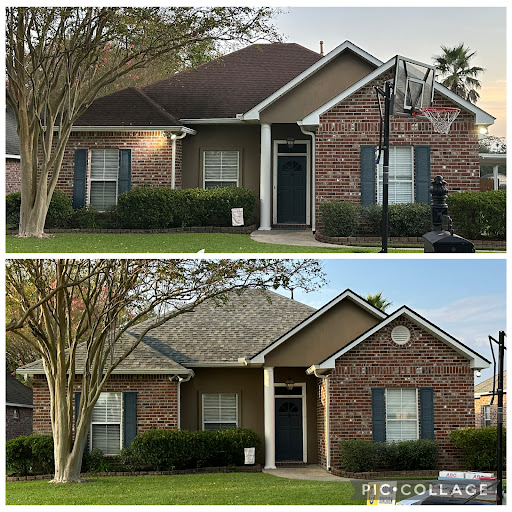
When a Denham Springs hip roof requires full replacement, JosephMill performs a complete system installation. This includes full tear-off to decking, deck inspection and repair, synthetic underlayment, drip edge, starter strips, field shingles, hip cap installation on all four hip lines, ridge cap at the central ridge, and valley metal at all valley runs including the diagonal hip valleys.

The hip roof replacement is more complex than a gable roof replacement of comparable size. More hip cap material, more valley runs, more intersection points between cap lines and ridges, and more eave corner transitions all add installation time and require more precise execution than the simpler gable geometry. We account for this complexity in every estimate and every installation schedule. A hip roof replacement is not a job where cutting installation time to hit a lower price point produces an acceptable outcome.

On every Denham Springs hip roof replacement we pay particular attention to the diagonal hip valley installation. These valley runs are unique to this roof style and run from the ridge area down to the corner eaves. They are not in the same location as the straight valleys on a gable roof, and they require specific underlayment and valley metal details that generic installation templates do not always address correctly.


Hip Roof Storm Damage Restoration in Denham Springs

Storm damage to a Denham Springs hip roof produces a specific damage pattern, hip cap displacement along multiple corner lines simultaneously, valley metal exposure where water volume overwhelmed a compromised valley detail, field shingle hail impact across all four sloping surfaces, and ridge cap loss at the central ridge and its intersections with hip lines.

We document this full pattern on every hip roof storm damage inspection in Livingston Parish, not just the areas of most obvious visible damage. The hip roof’s geometry means a single storm event tests every hip line, every valley, and the full ridge simultaneously. A partial inspection that addresses only the reported problem area misses the complete damage picture and leaves your roof partially restored.

Hip Roof Emergency Repair in Denham Springs

When a storm has exposed your Denham Springs hip roof — failed hip cap lines, displaced ridge cap, open valley runs, or any active water entry — call JosephMill directly. We will get someone out to assess and protect your home as quickly as possible throughout Livingston Parish.

Roofing Materials We Install on Denham Springs Hip Roofs

Material selection for a Denham Springs hip roof replacement involves the same considerations as any Louisiana residential roof, wind resistance rating, impact resistance, and algae resistance for Louisiana humidity, with one additional factor specific to hip roof geometry: the visual prominence of the hip cap lines.

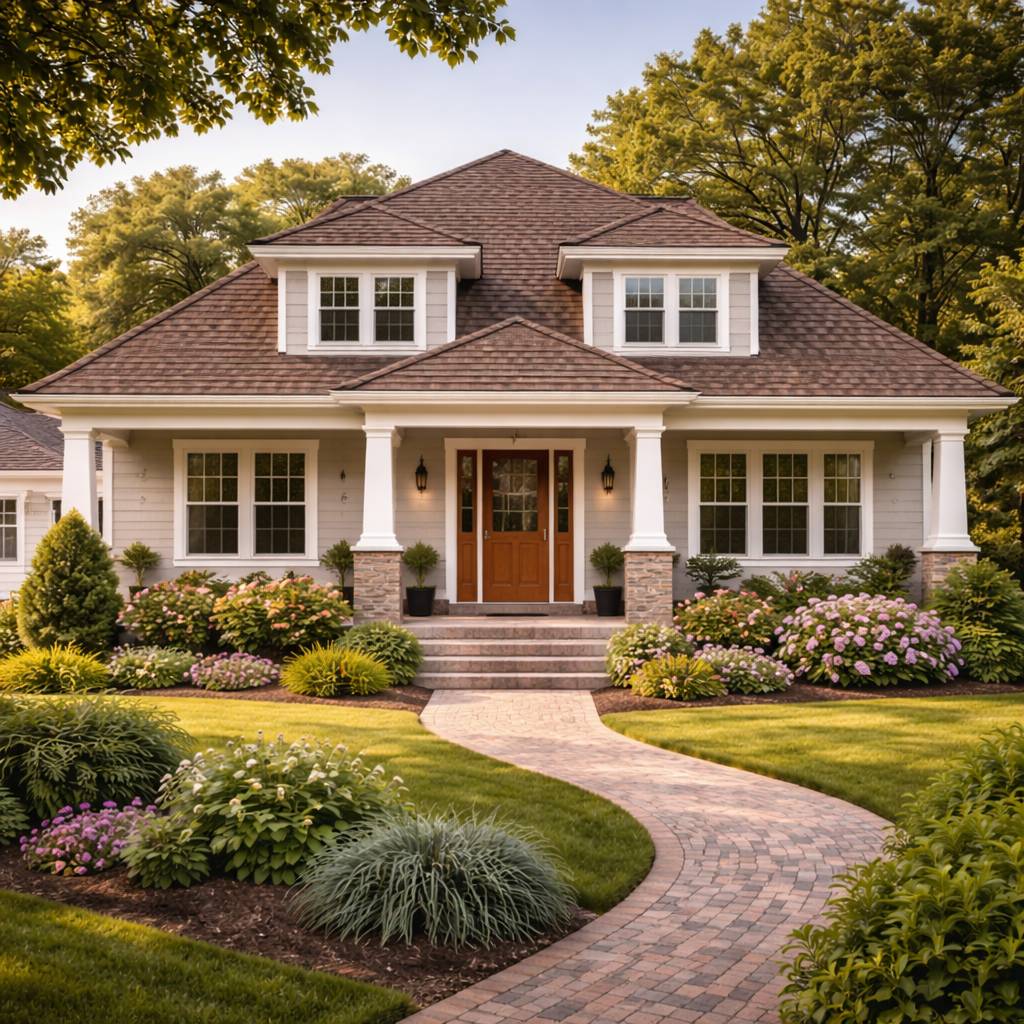
On a hip roof all four roof surfaces are visible from at least one vantage point around the home’s perimeter. The hip cap lines running from ridge to corner are prominent architectural features that contribute significantly to the roof’s exterior appearance. Material selection, both product line and color, affects the visual result across all four visible surfaces simultaneously in a way that a gable roof’s simpler two-slope geometry does not.

Atlas Shingles on Denham Springs Hip Roofs

Atlas StormMaster and Pinnacle Impact lines carry Class 4 impact resistance and 150 mph wind resistance, specifications that align directly with the wind performance advantage a hip roof is designed to deliver. A hip roof installed with Class 4 Atlas shingles is the highest-performing combination of roof geometry and material specification available to a Denham Springs homeowner for storm resistance.

The 3M Scotchgard Protector technology on every Atlas line provides the most effective algae resistance available in asphalt shingles, directly relevant to Louisiana’s humidity conditions where algae streaking is a persistent aesthetic and surface degradation issue on all four visible surfaces of a Denham Springs hip roof.

Atlas impact-rated shingles are our primary material recommendation for Denham Springs hip roofs engineered for storm-prone markets and the ideal match for a roof geometry designed to maximize wind resistance.

Metal Roofing on Denham Springs Hip Roofs

Standing seam and exposed fastener metal roofing on a hip roof requires more cuts and transitions than on a gable roof because the diagonal hip lines and hip valley runs intersect with the panel layout in ways that demand precise installation to maintain watertight panel seams at every cut edge. When installed correctly, metal roofing on a hip roof delivers the same superior wind uplift resistance, heat performance, and service life it provides on any residential roof style, with the additional benefit of the hip geometry’s inherent aerodynamic wind resistance profile working alongside the metal panel system’s mechanical fastening strength.

What to Expect After a Hip Roof Storm Event in Denham Springs

After any storm event that affects your Denham Springs hip roof, JosephMill inspects all four hip cap lines, all valley runs, the full ridge cap, and all four eave perimeters documenting every finding with photos and written notes before any repair work begins. You receive a clear itemized estimate with any signed contract before any work is started. Your dedicated project manager will walk you through your options and timeline from inspection to completion.

What to Expect After a Hip Roof Storm Event in Denham Springs
Hip Roof Services Throughout Denham Springs and Livingston Parish

Hip Roof Services Throughout Denham Springs and Livingston Parish

From our Denham Springs office we inspect, repair, and replace hip roofs throughout Livingston Parish and East Baton Rouge Parish.

Frequently Asked Questions

Are hip roofs really better than gable roofs in Louisiana?

Yes — but with an important qualification. A hip roof is inherently more wind-resistant than a gable roof of comparable size because it eliminates the exposed vertical gable end walls that create direct wind pressure surfaces. The hip geometry distributes wind loads across four sloping surfaces simultaneously rather than concentrating uplift pressure against flat end walls. However this advantage is fully realized only when the hip roof is installed correctly — with proper valley detail, hip cap fastening, and ridge cap installation at all intersection points. A poorly installed hip roof does not deliver the wind resistance its design promises. A correctly installed gable roof will outperform a poorly installed hip roof in the same storm.

Valley leaks on hip roofs in Denham Springs during heavy rain almost always indicate one of three conditions: valley metal that has corroded through or separated at a seam, valley underlayment that has failed beneath an open valley shingle installation, or a valley that was originally installed too narrow for the water volume it carries during high-intensity Louisiana rainfall events. All three are repairable. The fix requires removing the failed valley material, installing new valley metal and underlayment correctly, and in some cases widening the exposed valley channel to handle Louisiana rainfall intensity. We trace every hip roof valley leak to its specific failure mode before writing the repair scope.

The service life of a hip roof in Louisiana depends on material, installation quality, and ventilation balance — the same factors that govern any residential roof in this climate. Standard architectural asphalt shingles on a Denham Springs hip roof deliver a typical real-world service life of 20 to 25 years given Louisiana’s heat, humidity, and storm exposure. Impact-rated shingles extend that range under Louisiana conditions. Metal roofing on a hip roof carries a 40-plus year service life expectation in Louisiana’s climate. Ventilation imbalance — particularly the shorter ridge length challenge specific to hip roof geometry — is the most common factor that reduces actual service life below material potential on Livingston Parish hip roofs.

Yes — and for legitimate reasons. A hip roof replacement of comparable footprint involves more hip cap material, more valley runs, more intersection points between hip lines and ridge, and more complex eave corner transitions than a gable roof replacement. The additional material and installation time is real. We itemize every component of a hip roof replacement estimate so you can see exactly what the geometry adds relative to a simpler roof style. The additional cost of correct hip roof installation is not markup — it is the cost of doing the more complex job correctly.

Not necessarily — but all four valleys need to be inspected at the same time. Valley deterioration on a hip roof does not always progress uniformly. Different exposures — north-facing versus south-facing, shaded versus fully exposed — affect how quickly valley metal and valley shingles degrade. Some valleys may need replacement while others have remaining service life. We assess every valley individually during inspection and document the condition of each one specifically so you understand which valleys need immediate attention and which can be monitored.

The diagonal hip valley lines, the four hip cap runs from ridge to corner, the intersection geometry where hip caps meet the central ridge, and the eave corner transitions where two adjacent eave lines meet at each of the four corners — all of these details require more precise execution than the simpler geometry of a gable roof. The margin for error on a hip roof installation is smaller because the complexity concentrates waterproofing responsibility at more intersection points. This is why installation quality matters more on a hip roof than on a gable roof — and why a hip roof installed by a contractor who does not understand these specific details will underperform regardless of the material quality.

Yes. JosephMill holds an active Louisiana Residential License — RL.886986 — and Commercial License — CL.77554 — both issued by the Louisiana State Licensing Board for Contractors and verifiable through the state board directly. William Stegall has personally installed more than 500 roofs across Louisiana including hip roof installations throughout Livingston Parish.